When injections may be used
Injections are often discussed when a cat is critical, cannot swallow, vomits oral medicine, or needs stabilization before switching formats.
Vous possédez un compte ?
Connectez-vous pour payer plus vite.
For cat parents facing suspected or diagnosed FIP, this page brings the essentials together: symptom recognition, injection guidance, product details, and a clear dosage reference path.
This simple guide turns fear into a practical path: when injections may be considered, what supplies matter, and what to confirm before starting.
Injections are often discussed when a cat is critical, cannot swallow, vomits oral medicine, or needs stabilization before switching formats.
A common guide approach is one needle to draw medication and a fresh injection needle for the dose. Confirm gauge and length with your advisor or veterinarian.
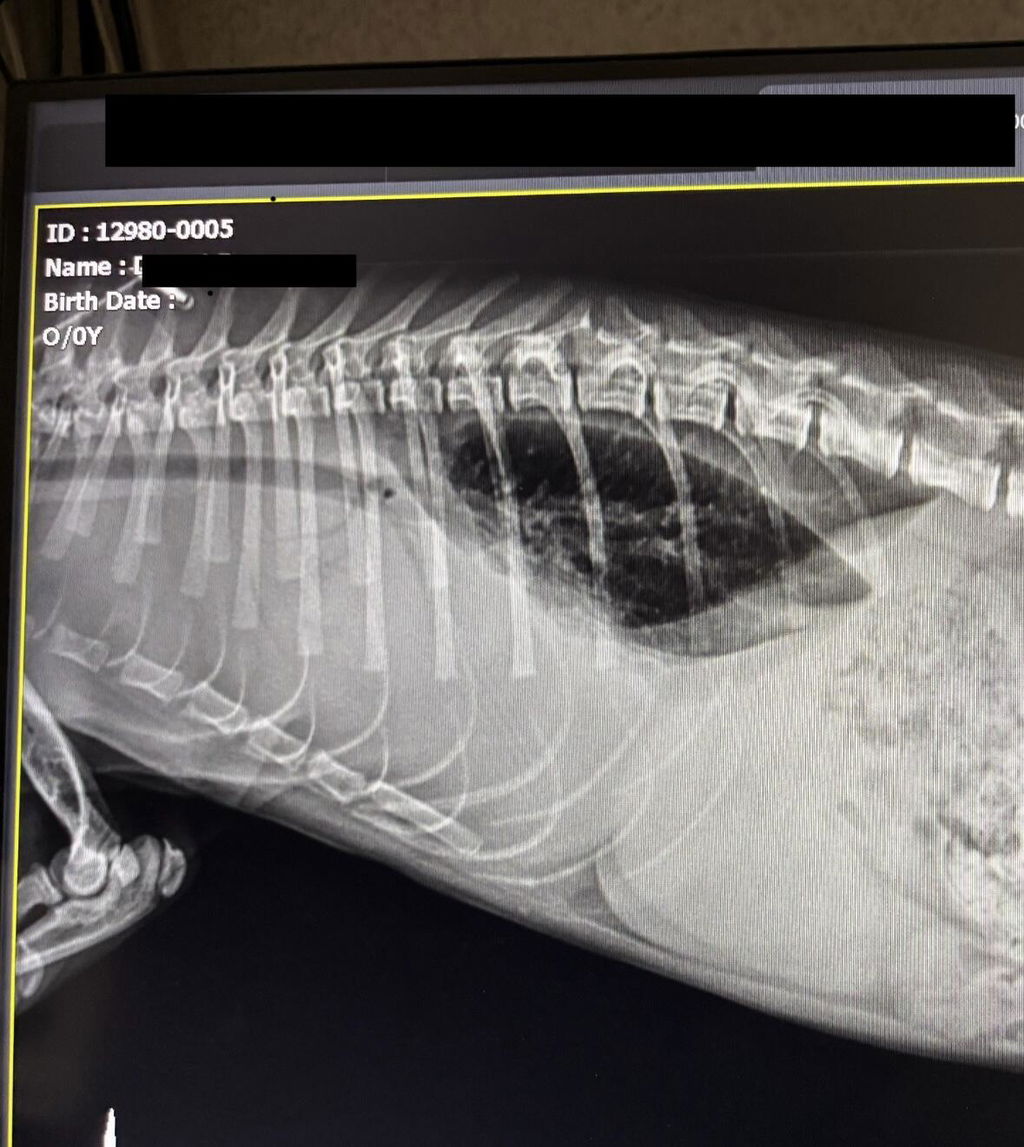
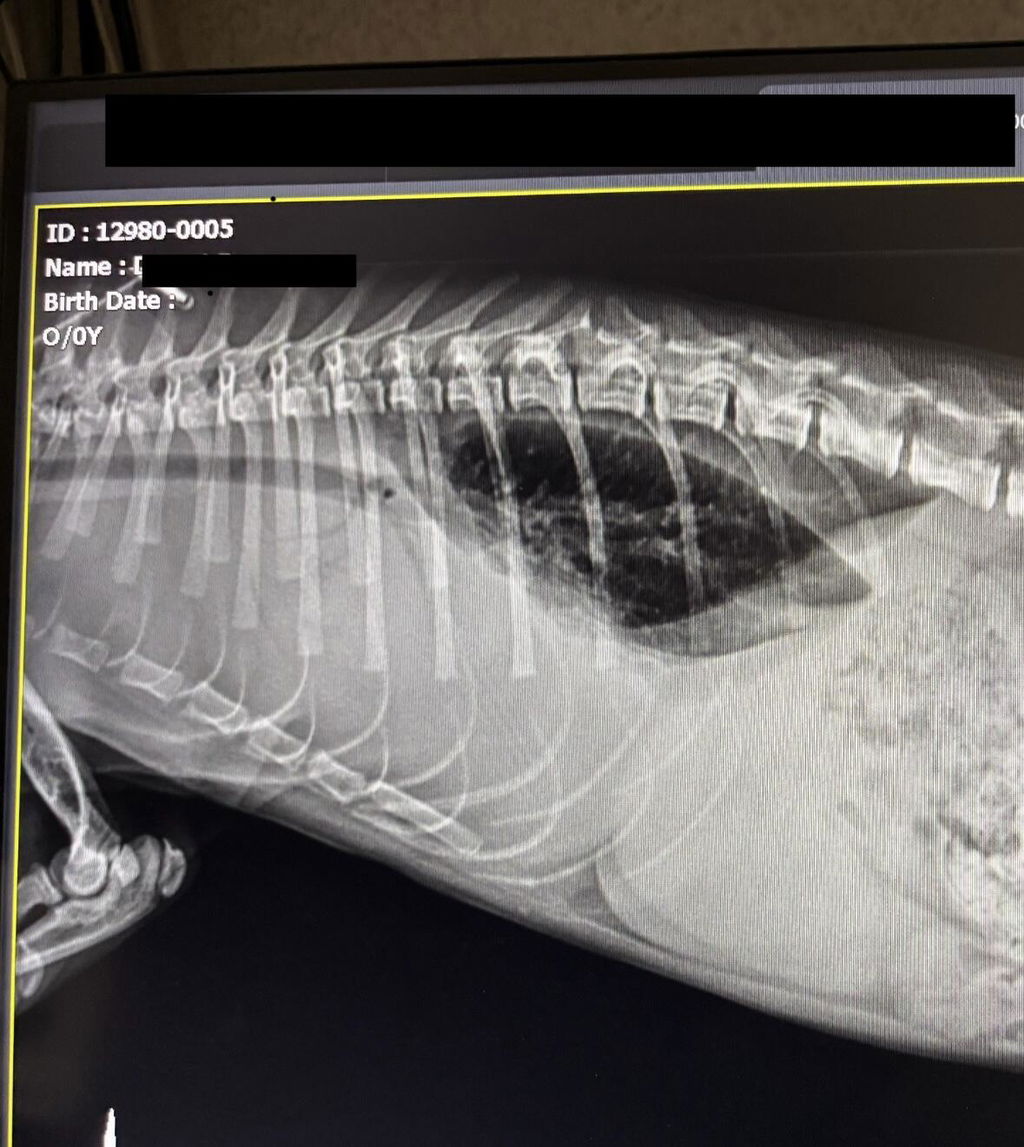
Weight, wet or dry presentation, ocular signs, neurologic signs, and response to treatment all affect the dosing conversation.
Built for families who need clarity quickly: the concentration is easy to understand, essential injection supplies are included, and the buying path stays focused on the next action.
Use this structured reference to prepare for the dosing conversation. Weight, symptoms, diagnosis, and professional oversight determine the actual plan.
| FIP type | Common pattern | Reference dose |
|---|---|---|
| Wet form, abdominal | Visible fluid or swelling in the belly | 5 mg/kg |
| Wet form, thoracic | Fluid in the chest or breathing difficulty | 6 mg/kg |
| Dry form | Persistent fever, weight loss, lethargy, jaundice, no visible fluid | 6 mg/kg |
| With ocular signs | Cloudiness, pupil changes, eye color changes | 8 mg/kg |
| With neurologic signs | Wobbling, seizures, disorientation, balance changes | 10 mg/kg |
The daily injection volume depends on current weight, concentration, symptom type, and clinical context. Use the calculator before confirming the final plan.
Use the most current weight before calculating the daily amount.
Have the vial, syringe, fresh needle, cleaning supplies, and comfort items ready.
Discuss injection-site rotation and skin care with your support contact.
Monitor appetite, energy, weight, fever, and follow-up lab guidance.
No. Symptoms can suggest FIP, but diagnosis should be made with a veterinarian using exam findings, history, lab work, imaging, and other clinical evidence.
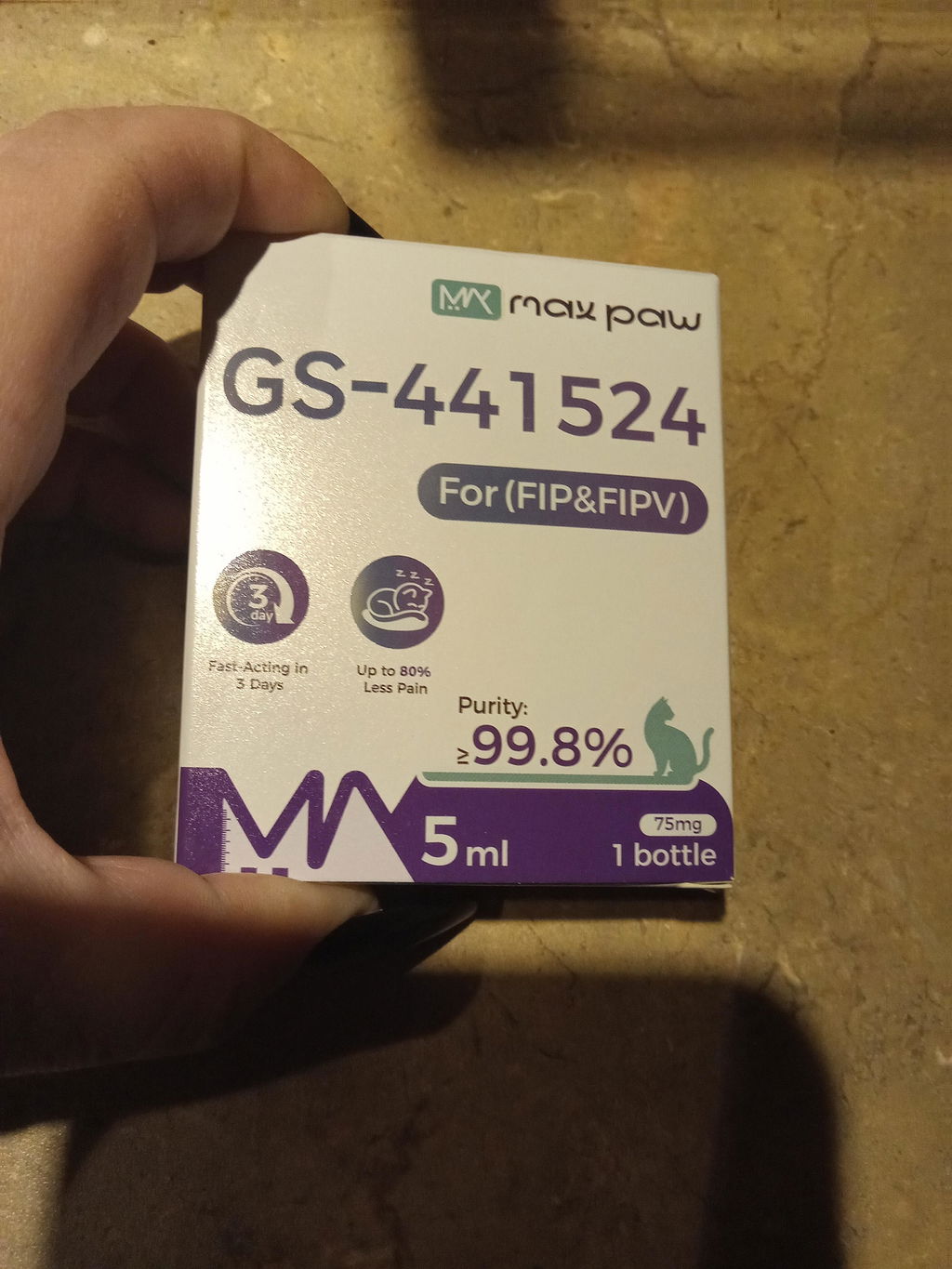
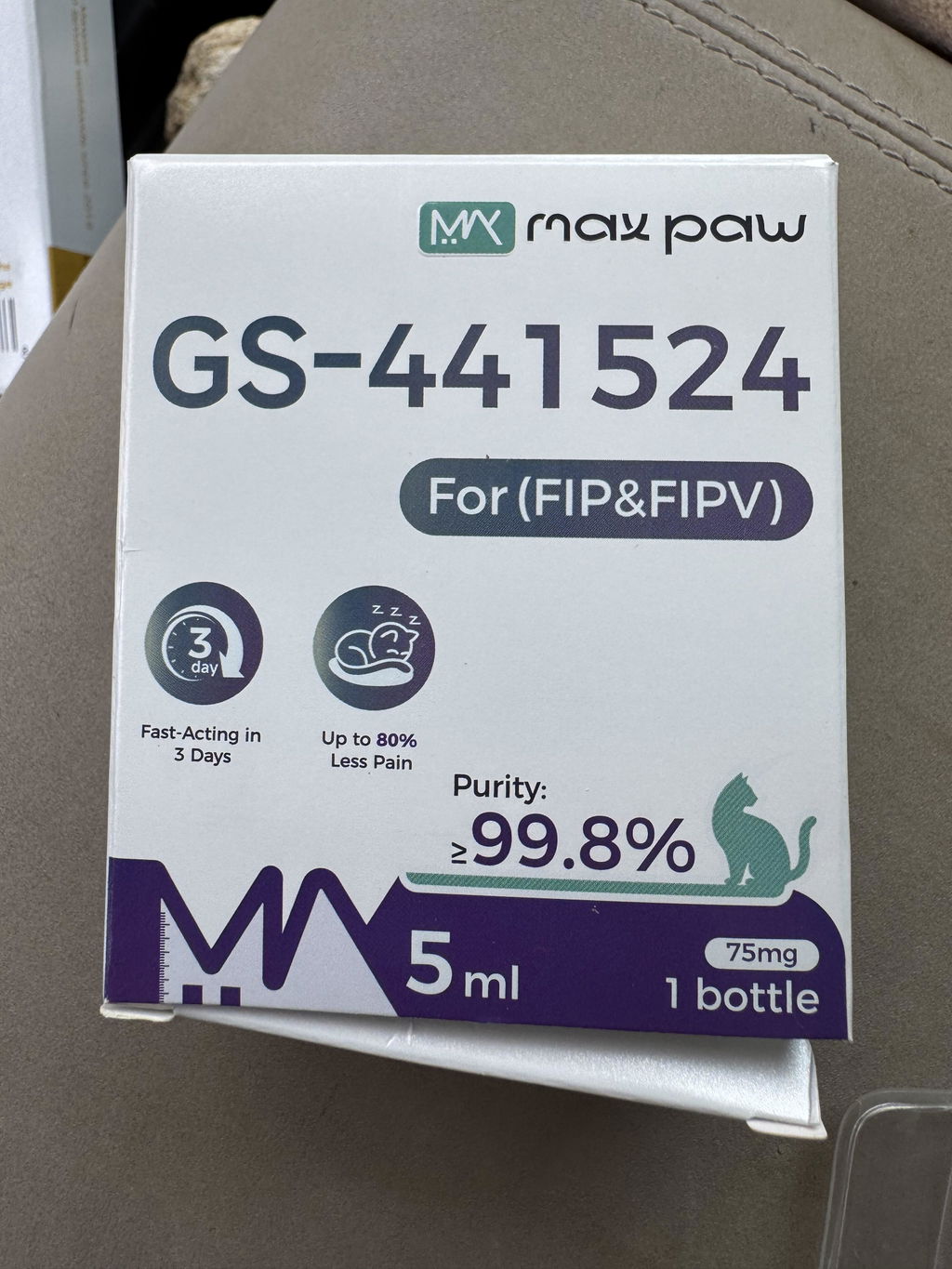
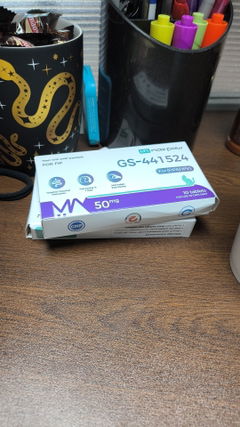
The kit includes GS-441524 vials, 3cc syringes with needles, and guidance materials so families are not searching for basic supplies separately.
Consistency is commonly emphasized in FIP treatment routines. Confirm your timing plan with your veterinarian or treatment support contact.
The referenced product messaging says refrigeration is not required. Keep the vial away from heat and light, and follow the storage instructions on your product label.
Watch the symptoms, review the kit, calculate dosage, and move toward a guided treatment conversation.
Quick delivery and helpful dialogue (messaging)
Too early to say if this is working but am pleased with the transaction
Saw an improvement in the 1st few days.
A good product with noticeable improvement unfortunately another underlying issue presented itself. This product would still be recommended to anyone who has a FIP symptomatic cat. The specialist at Maxpaw helped decide this for me and the right treatment. It brings so much hope when there was no hope for a very deadly virus.
Thank you for all your research and service for our much loved feline family members,
Former emergency vet tech
Thank you so much for taking the time to leave such thoughtful feedback. We are deeply saddened to hear about the underlying issue, but we’re grateful to know our team and treatment could bring you hope during a difficult time. Coming from a former emergency vet tech, your trust means the world to us. Wishing you comfort and peace, and thank you for everything you do for the feline community. ❤️
Wonderful staff at MaxPaw. They have been so supportive and kind. Cammie is doing so well and he’s his comical self as well!🐱🤗 thank you to everyone who has helped ~Mary, George and “Cameron”❤️
This medication single handedly saved my cats life
The treatment has been amazing for our Rascal. He's shown improvement with each passing day. The order process was easy and the shipping is fast. I couldn't be more grateful!
My kitty did a complete 360 with this medication so far, only in the second week of treatment , I’m so grateful!
after 3 days were seeing improvement and so far our shipments have arrived on time. Very pleased
Maxpaw has been a lifesaver! Very informative, always checking to see how our cat is doing and answering questions we have in a timely manner.
Great quality, my cat showed improvement in less than 24 hours!
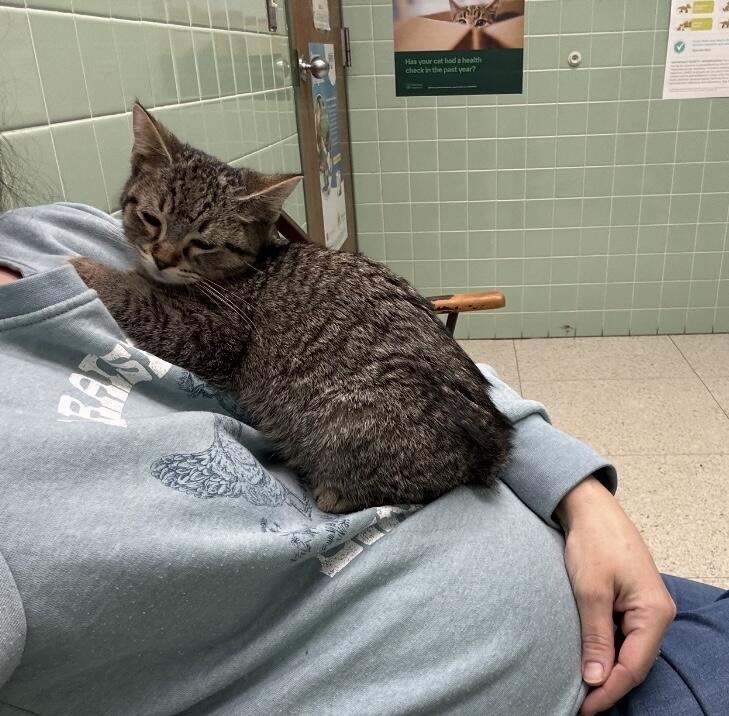
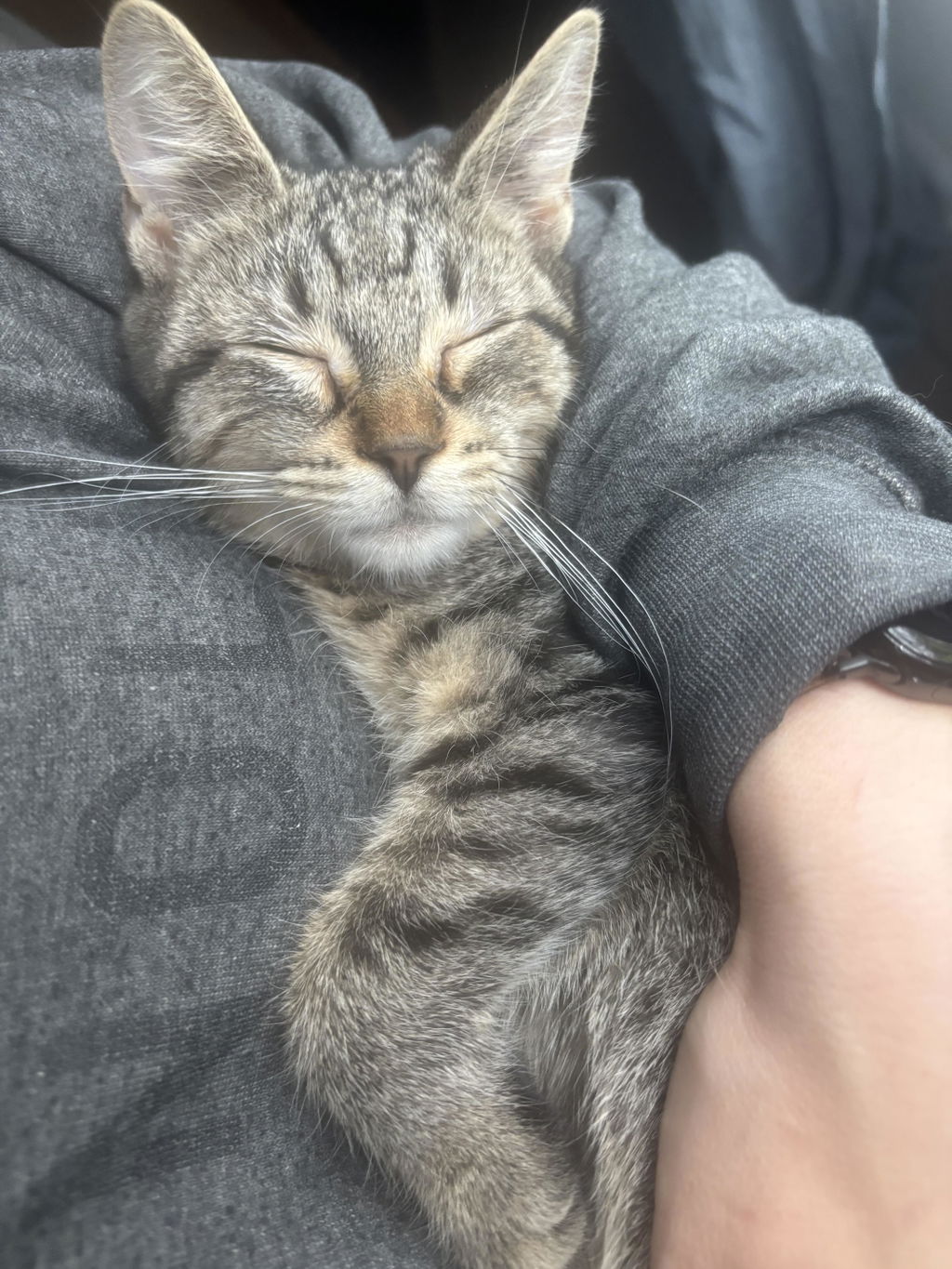
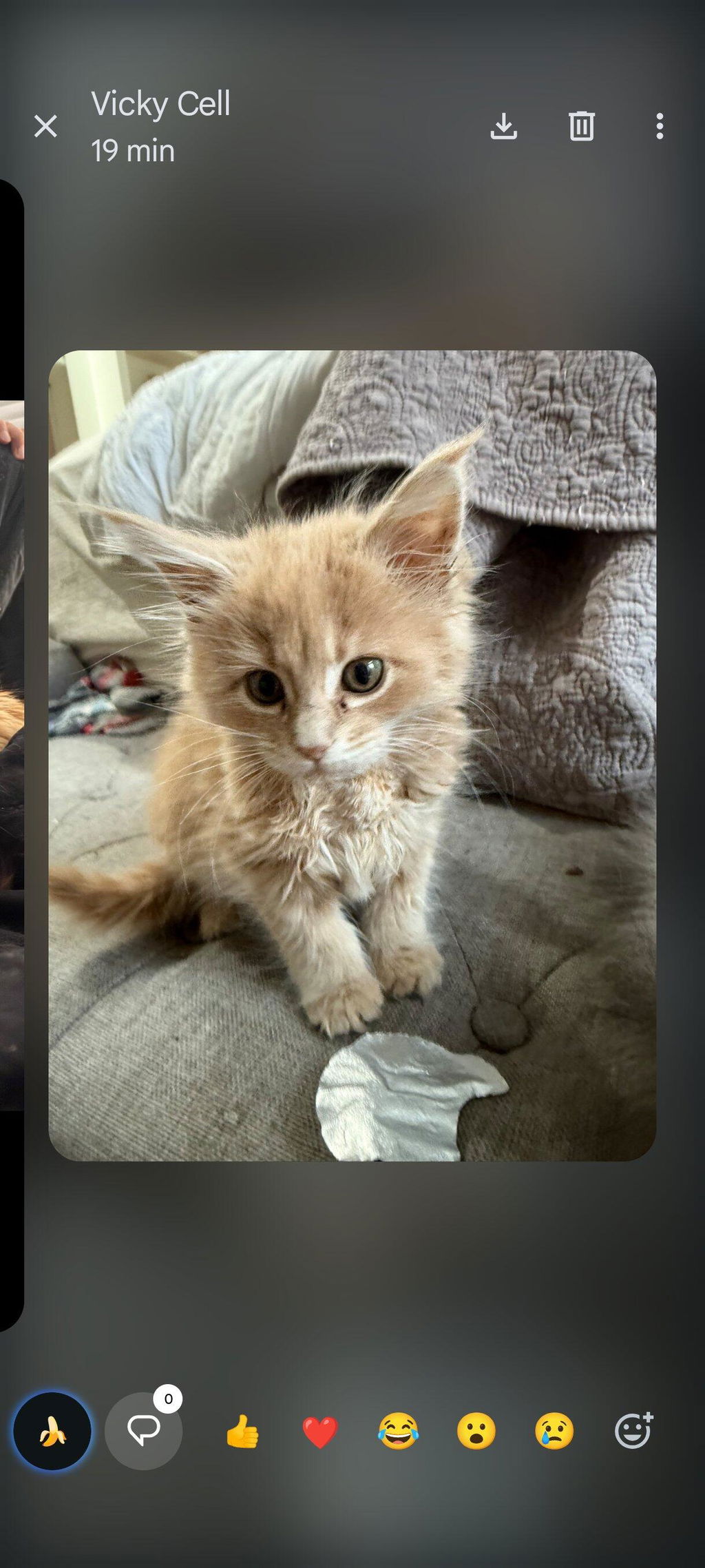
It’s only been 5 days of injections but my 13week old kitten Remy went from lethargic with extremely labored breathing to playful, cuddly, and comfortable again! The meds were overnighted to me and we were able to start treatment a little over 24 hours after diagnosis. So thankful for max paw!!
I have unfortunately had five cats that I’ve treated for FIP over the last three years. I volunteer with a Cat Rescue and have my own cats as well as fosters that come in and out of the house. I have always trusted MaxPaw Health for my FIP treatment needs. Their customer service is unparalleled. The products that have been used in all five of my cases, the cats survived and are thriving now. I am so grateful for this company and the life saving medicine that they offer.
8 wk old kitten with anemia and ascites. Weighed 1062 grams and abdomen measured 35 cm. Gave initial subq dose 24 hours ago. Overnight the abdomen has gone down 4 cm. She has lost 50 plus ml of fluid
Increased activity, couldn't be happier. Absolutely amazed
Product arrived quickly. The dose calculator made treatment smooth and simple
My cat is doing so much better after 6 days of treatment!!! I would highly recommend this company and this treatment. I honestly thought my cat 🐈 was going to die but she is more active and beginning to get her appetite back. I can’t thank you enough
These meds have been a lifesaver for my sweet boy, and he’s already starting to make a turnaround after 7 doses
Max paw saved my kitten‘s life. She’s on her 19th injection and I’m switching to pill form. She’s almost 100% back to normal. I will continue the 84 day treatment to the end. I can’t thank you enough.
Delivery was fast and medication has been helping!
My cat Smitty is really debilitated so I decided to jump start his treatment with the injectable form. There is a warning the injection stings/burns but it was drastic. Smitty cried out and fell over on his side with open mouth breathing. Honestly I thought I had killed him. Fortunately he was only in distress for a couple of minutes, but it felt like an eternity. For the next day, I gave him SQ fluids and gave the injection into the fluid pocket. No untoward reaction!! I know this technique may affect absorption but he did well for the remaining few doses (5 total).
fast service -great job
I can only assume that the FIP injection treatment works, I've heard very good things about it. My feline unfortunately had something else and I was treating him for FIP.
The real deal! Thank you MaxPaw.
do you give the shot daily or once a week
Both the injection and tablet treatments require daily administration, and the entire treatment lasts 12 weeks.

Gather your supplies in a calm, quiet space. Let the vial reach room temperature for optimal comfort. Draw the prescribed dose slowly and tap out any air bubbles.
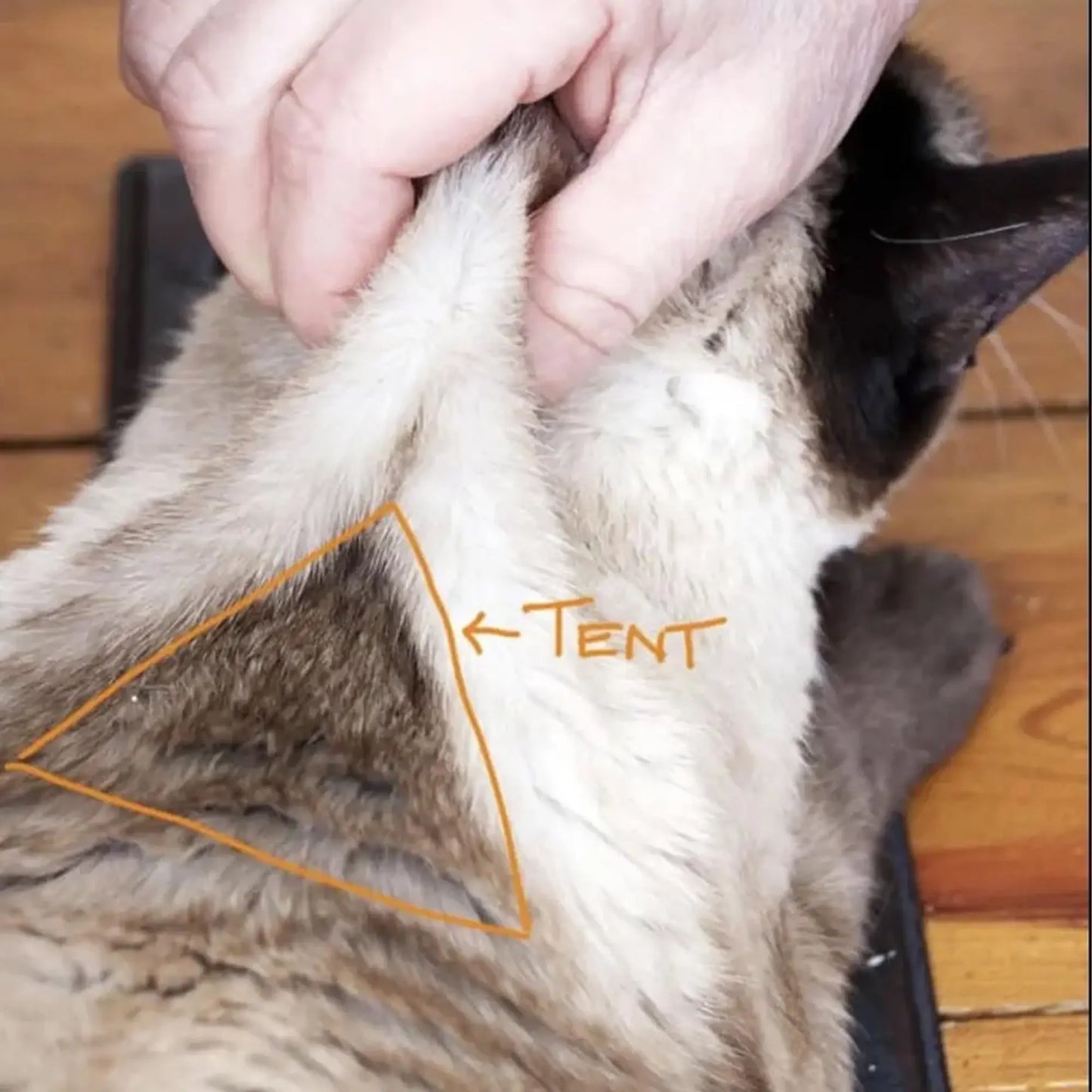
Gently pinch the scruff of your cat's neck to create a skin tent. Insert the needle at a 45-degree angle. Inject slowly and steadily.
Offer a small treat and gentle praise after each injection. Consistency is key—same time each day helps establish a routine.
Each order includes GS-441524 vials, sterile syringes, and our comprehensive FIP treatment guide.
Our team is available 24/7 for any questions or concerns. You're never alone in this journey.
A high-purity nucleoside analog engineered to inhibit viral replication at the cellular level. This treatment protocol has established the global benchmark for FIP clinical recovery due to its superior safety profile and predictable pharmacokinetics.

| FIP Type | Clinical Symptoms Description | 💉 Injection | 💊 Tablet |
|---|---|---|---|
| Wet Form (Abdominal) |
Presence of visible fluids in the belly (abdominal cavity) | 5 mg/kg | 15 mg/kg |
| Wet Form (Thoracic) |
Presence of visible fluids in the chest (thoracic cavity) | 6 mg/kg | 15 mg/kg |
| Dry Form (Non-Effusive) |
Persistent fever, weight loss, lethargy, jaundice (no visible fluids) | 6 mg/kg | 15 mg/kg |
| With Ocular Symptoms |
Cloudiness in eyes, color changes, pupil irregularity | 8 mg/kg | 20 mg/kg |
| With Neurologic Symptoms |
Coordination issues (ataxia), disorientation, seizures | 10 mg/kg | 30 mg/kg |
Veterinary-grade quality, complete treatment kits, and compassionate support—everything you need for a successful recovery.
Our GS-441524 undergoes rigorous quality testing to ensure maximum efficacy. Every batch is verified for purity and potency before reaching you.
No searching for supplies—each order includes premium vials, sterile syringes, appropriate needles, and a guide. Ready to use out of the box.
Ensuring the highest clinical standards for your peace of mind.