Understanding FIP Types: Ocular and Neurological — What Every Cat Parent Should Know
Photo credit: MAXPAW.COM
Feline Infectious Peritonitis (FIP) was once considered untreatable, but with major advancements in antiviral therapy, countless cats are now getting a second chance at life.
Among all forms of the disease, ocular FIP and neurological FIP are the most easily overlooked and the most frequently misdiagnosed. Because of their complexity, they deserve special attention.

👁️ Ocular FIP: When the Eyes Become the First Cry for Help
Ocular FIP directly affects the structures inside the eye and is commonly seen alongside dry FIP. This form is often described as subtle but dangerous, and typical signs include:
-
Uveitis (intraocular inflammation)
-
Irregular or uneven pupils
-
Abnormal changes in iris color
-
Eye bleeding or cloudy appearance
-
Progressive vision loss or sudden blindness
Any time a cat’s eyes look “off,” immediate veterinary care is crucial. Early intervention reduces the risk of permanent damage and leads to better treatment outcomes.
🧠 Neurological FIP: Challenging but No Longer Hopeless
Neurological FIP is considered the most difficult type because the virus attacks the central nervous system. Symptoms often progress rapidly and can resemble other neurological disorders. Common signs include:
-
Wobbly walking or hind-limb weakness (ataxia)
-
Tremors or seizures
-
Frequent falling or delayed movements
-
Behavioral or personality changes
-
Partial or complete paralysis
Although neurological FIP may appear the most severe, today’s antiviral treatments provide real, measurable recovery. Many cats show visible improvement within just a few weeks.
🔬 How Are Ocular and Neurological FIP Diagnosed?
These forms usually require multiple diagnostic tests for confirmation. The most common include:
-
Blood tests (key indicators such as total protein and globulin levels)
-
Comprehensive ophthalmic examination (ocular FIP)
-
CT or MRI imaging (common for neurological cases)
-
PCR testing of aqueous humor or cerebrospinal fluid
At Maxpaw, we support cat parents through every step—reviewing symptoms, interpreting lab results, and helping determine the most appropriate treatment plan.
💊 Modern Antiviral Therapy: A Real Chance for Recovery
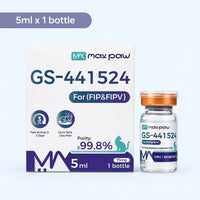
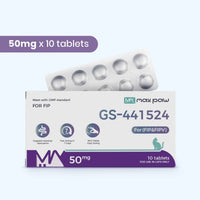
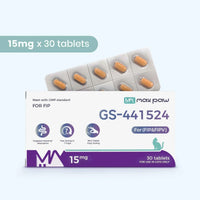
With the development of antiviral compounds such as GS-441524, ocular and neurological FIP are no longer irreversible diagnoses.
A typical full treatment plan includes:
-
84 days of antiviral therapy
-
Regular follow-ups and bloodwork
-
Supportive care (anti-inflammation, hydration, nutritional support)
Maxpaw provides high-purity, highly consistent treatment products, along with 24/7 guidance throughout the entire recovery process.
Hope Lives Here: Real FIP Recovery Stories from the Maxpaw Community
(Testimonials & Success Cases)
For many cat owners, an FIP diagnosis feels like the world is collapsing. Fear, confusion, and heartbreak hit all at once.
But at Maxpaw, we’ve witnessed a different side of this journey—stories of resilience, healing, and the moment a beloved cat finally comes home again.
These stories come from our customers, from our Facebook community, and from every owner who chose to share their hope.
👉 See more real stories here: (https://www.facebook.com/groups/529192852353741)

Beethoven: From “No Hope” to Fully Recovered
When Beethoven was diagnosed with dry FIP, three veterinarians told his owner there was nothing left to do.
But his family refused to give up—and reached out to Maxpaw.
By Day 10 of treatment, Beethoven began:
-
Eating on his own
-
Gaining weight
-
Brightening up with energy
By the end of the 12-week course, he returned to his old self—playful, affectionate, and strong.
His owner wrote in our FB community: “Thank you, Maxpaw. You gave me my baby back.”
Luna: A Wet FIP Turnaround That Shocked Everyone
When Luna was diagnosed with wet FIP, her abdomen was filled with fluid.
Her owner chose Maxpaw’s injection treatment and used Local Pick-Up to get medication within an hour.
At 48 hours, they shared an update:
-
Abdominal fluid visibly reduced
-
She started eating again
-
She could jump onto the couch by herself
By Week 3, Luna was running around like a perfectly healthy cat. Her story became one of the most shared “miracle recoveries” in our community.
Monster: The Little Warrior Who Gained 2 lbs in Two Weeks
Monster’s owner wrote on Facebook:
“We’re not even at Week 2 and he already gained 2 pounds! He’s acting happier every day and terrorizing all his siblings 😂”
Monster’s improvements included:
-
Strong appetite
-
Better energy
-
Shinier coat
-
Playful behavior returning
His owner added: “I might be giving him way too many treats… but he’s just so happy again.”
Shiloh: The Big-Eyed Girl Who Found Her Curiosity Again
Shiloh was so weak from FIP she could barely lift her head.
On Day 5 of treatment, her owner sent a photo—her big eyes wide open, sparkling again.
They wrote: “She’s curious about the world again, just like a kitten.”
Her transformation has encouraged countless new FIP parents in moments of fear and doubt.

🐾 Final Thoughts: Early Detection Saves Lives
Ocular and neurological FIP may be complex and alarming, but they are not a dead end. With early recognition, immediate treatment, and a full 84-day course, many cats recover completely.
Maxpaw will be here for you—from suspicion to diagnosis, treatment to healing—every step of the way.