Ocular FIP in Cats: Critical Eye Symptoms, Treatment Guide, and Costs
Ocular FIP in Cats: Symptoms, Treatment, and Real Recovery Costs
Feline Infectious Peritonitis (FIP) is an incredibly daunting diagnosis for any pet parent. Caused by a mutation of the feline coronavirus (FCoV), this viral condition can escalate rapidly, presenting either as the effusive "wet" form or the non-effusive "dry" form. Among the most complex dry variants are ocular FIP in cats and neuro FIP.
When facing this diagnosis, two urgent questions immediately flood a cat owner's mind: Can my cat recover? and What is the actual fip treatment cost? Fortunately, with advancements in antiviral therapies like GS-441524, FIP is no longer an absolute death sentence. However, hidden clinical markups and prolonged diagnostics often inflate the fip cats treatment cost unnecessarily. In this guide, we will unmask fip cat eye symptoms, neurological complications, and show you how to navigate treatment affordably and effectively.
Understanding Ocular FIP and Its Urgent Symptoms
Ocular FIP occurs when the mutated virus attacks the blood vessels inside a cat's eye, leading to severe, localized immune-mediated inflammation (vasculitis). This localized clinical presentation can be stealthy, often destroying the internal structures of the eye long before any abdominal fluid or obvious systemic signs manifest. Because the blood-ocular barrier is highly sensitive, this form frequently presents alongside or quickly transitions into neuro fip in cats, creating a dual-threat that requires immediate intervention.

Critical FIP Cat Eye Symptoms to Watch For:
If your cat's health is deteriorating, monitor their fip eyes closely for these telltale shifts and clinical warning signs:
- Anterior Uveitis (Cloudy, Hazy, or Milky Eyes): The front chamber of the eye appears noticeably cloudy, hazy, or bloodshot. This loss of clarity is caused by inflammatory cells and proteins leaking into the anterior chamber, disrupting the transparent nature of the eye fluid.
- Iris Discoloration (Heterochromia or Darkening): A sudden, visible darkening or alteration of the iris color in one or both eyes. For example, a bright green or blue eye turning into a dull brown, muddy yellow, or reddish hue is a major red flag indicating active internal inflammation.
- Miosis, Anisocoria, and Poor Light Reflex: You may notice constricted pupils (miosis) or unevenly sized pupils (anisocoria), where one pupil is significantly larger than the other. The pupils will often show a fixed, sluggish response when transitioning from a dark environment to a brightly lit area.
- Keratic Precipitates (Specks on the Cornea): Upon close inspection under a light, you might spot tiny, yellowish-white accumulations or "specks" settled on the inside back surface of the cornea. These are clumps of inflammatory cells and are highly characteristic of dry FIP ocular manifestations.
- Hyphema (Blood in the Eye) or Hypopyon (Pus Accumulation): Severe vascular damage can cause internal blood vessels to rupture, leading to visible blood pooling at the bottom of the eye chamber (hyphema). Alternatively, a creamy, yellowish-white fluid layer (hypopyon) may accumulate due to severe accumulation of pus.
- Sudden Blindness and Behavioral Changes: Unexplained vision loss can develop rapidly. Because cats mask pain well, you must watch for behavioral cues such as bumping into household objects, misjudging distances, hesitating before routine jumps, squinting (blepharospasm), or excessively pawing at their face.
From Ocular to Neuro FIP: The Danger of Delayed Treatment
The blood-ocular barrier shares structural similarities with the blood-brain barrier. If the virus is left to replicate freely within the ocular tissues, it can easily cross over into the central nervous system. If left untreated, ocular fip in cats can rapidly progress across the blood-brain barrier into full-blown neuro fip, leading to a complete loss of balance (ataxia), permanent head tilts, wobbly gaits, hind-leg weakness, and debilitating, life-threatening seizures.
Unmasking the Real FIP Treatment Cost
The absolute biggest barrier for cat owners trying to save their pets is the overwhelming financial burden. Many standard commercial entities or clinical loops price their antiviral regimens at premium rates, pushing the fip treatment cost upwards of thousands of dollars.
To put this in perspective, let’s look at a comprehensive breakdown of the typical market expenses versus an optimized, direct-to-owner protocol:
FIP Treatment Cost Comparison Table
| Expense Component | Standard Clinical Market Average | MaxPaw Support Solution | Why This Benefits You |
|---|---|---|---|
| Antiviral Medication Cost | $0.70+ / mg (e.g., Mutian, Stokes) | $0.22 - $0.24 / mg | Cuts your direct medication bill by up to 65%, making full recovery accessible. |
| Initial Clinical Diagnostics | $500 - $1,200 (Repetitive Bloodwork) | $0 (Skip the Vet Bill) | MaxPaw provides a Free Clinical Signs Diagnosis, allowing you to invest directly into recovery rather than endless testing. |
| Emergency Delivery Fees | Variable (often takes 3-5 shipping days) | FREE / 24-Hour Overnight Air | Time is your enemy with neuro fip. Getting meds within 24 hours stops viral replication instantly without extra rush fees. |
| Regimen Guarantee | None (Relapse costs are paid fully by owner) | LIFETIME Support & Follow-Up | Comprehensive tracking throughout the 84-day protocol minimizes relapse risks. |

💡 The Financial Reality: For an average-sized cat displaying standard dry, ocular FIP, or neurological FIP symptoms (which typically demand higher antiviral concentrations), the standard commercial fip cats treatment cost can easily skyrocket to $3,000+. By utilizing high-purity, direct-to-owner kits, the total cost drops significantly, offering a market-leading survival rate of up to 98% without draining your life savings.
Advanced Regimen: Managing Ocular & Neuro Complications
Treating fip cat eye inflammation and nervous system issues requires a highly bioavailable antiviral that can penetrate deep tissue barriers. An optimal treatment strategy relies on a continuous, uninterrupted 84-day protocol.
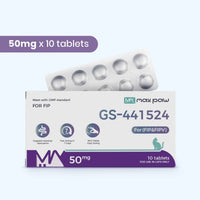
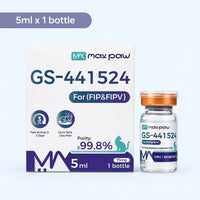
- High-Dosage Targeting: Because the blood-ocular and blood-brain barriers protect the virus, advanced dry forms require a higher mg-per-kg dosage than standard wet FIP. MaxPaw's 50mg Oral Tablets or concentrated injections ensure sufficient active ingredients reach the central nervous system.
- Kitten-Friendly Interventions: Early onset symptoms in younger felines can be easily managed with specialized 15mg Mini-Tablets, minimizing stress during daily administration.
- Organ Support: Heavy antiviral processing means protecting the liver is vital. Always pair your protocol with liver health supplements and probiotics to keep your cat's digestion stable.

Conclusion: Take Immediate Action to Save Your Cat
When dealing with ocular fip in cats, every single day matters. Waiting weeks for multiple lab confirmations while your cat's fip eyes blind them or progress into severe seizures is a risk you cannot afford.
By choosing a direct care system that optimizes your fip treatment cost, you can bypass unnecessary medical markups and start treatment instantly. Discover our affordable FIP Oral Kits and Injections today, utilize our 24-hour express shipping, and give your companion the fight for life they truly deserve.