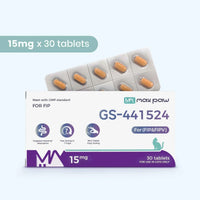
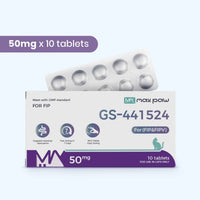
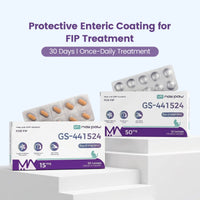
Why Tablet Size and Coating Are Essential for Effective FIP Treatment
Why Tablet Size and Coating are Crucial for Effective FIP Treatment
When it comes to FIP treatment, the tablet size coating FIP treatment plays a pivotal role in ensuring that patients receive the most effective care possible. Understanding the relationship between tablet size, coating, and how they can impact treatment efficacy is vital for both healthcare providers and patients alike.
FIP, or feline infectious peritonitis, is a serious condition that requires precise and effective treatment. The medication's formulation, including the tablet size and coating, can significantly affect how well the drug is absorbed in the body and how quickly it acts.
What is FIP?
Feline infectious peritonitis (FIP) is caused by a virus (feline coronavirus) that can lead to serious health complications in cats. Understanding FIP is essential to choosing the right treatment option. The symptoms can vary greatly but often include fever, weight loss, and abdominal swelling.
The Importance of Tablet Size
Tablet size can greatly influence the administration and absorption of medication. Especially when treating a sensitive condition like FIP, using the right tablet size is crucial. Here are key benefits of optimal tablet size:
- Ease of Administration: Smaller tablets are generally easier for both veterinarians and owners to administer to cats. This can significantly affect compliance, as easier administration means better chances of consistent dosing.
- Improved Absorption: The size of the tablet can affect its dissolvability. Tablets that are appropriately sized can dissolve faster in the gastrointestinal tract, allowing for quicker absorption into the bloodstream.
- Reduced Side Effects: If a tablet is too large, it might not be properly ingested or absorbed, possibly leading to potential side effects. Carefully considered tablet sizing can minimize these risks.
- Customizable Dosing: Smaller tablets may also allow for easier splitting or dosing adjustments as needed, providing flexibility in treatment plans.
Coating Matters
The coating on tablets is just as significant as the size. The coating can protect the medication inside, allowing it to endure the acidic environment of the stomach and be released in the intestines where absorption occurs. Here are some benefits of effective tablet coating:
- Enhanced Protection: Coated tablets can shield sensitive ingredients from degradation before they reach their target, ensuring the medication remains effective.
- Controlled Release: Specific coatings can allow for time-release formulations, meaning the medication is released slowly over time for prolonged therapeutic effects.
- Improved Taste: Many coated tablets are designed to mask the drug's natural taste, making it easier for cats to ingest. This is particularly important for FIP treatment, as compliance plays a key role in the treatment's overall effectiveness.
- Reduced Irritation: Coatings can help minimize gastrointestinal irritation, making the treatment process more comfortable for pets.
Choosing the Right Tablet Size and Coating
When selecting a treatment for FIP, the tablet size and coating are factors that should not be overlooked. Speaking with a veterinarian about these specifics ensures that pets receive the most suitable medication for their individual needs. Certain brands may offer various sizes and coatings, so it’s important to do thorough research.
Many pet owners may underestimate how crucial the combination of tablet size and coating is in relation to their cat’s health. A thoughtful approach can enhance the overall treatment experience and effectiveness.
Conclusion
In the battle against feline infectious peritonitis, understanding the significance of tablet size coating FIP treatment cannot be emphasized enough. It can affect not only the treatment’s efficacy but also the overall well-being of the animal. For responsible pet owners, the mission towards finding the right medication should include a focus on these physical aspects of dosage forms.
If you’re looking to equip your feline friend with the best chances for recovery, consult your veterinarian to discuss the ideal tablet size and coating for their individual FIP treatment. Your cat deserves nothing less than the best.
Take action today! Visit our website to explore various products that meet your cat's treatment needs efficiently and effectively.