What Is FIP in Cats? Identifying Cats with FIP Symptoms Early
Clinical Presentation Briefing
Spotting FIP Early: Wet vs. Dry Feline Infectious Peritonitis Symptoms
Key Takeaways for Cat Parents
FIP is no longer a death sentence—early antiviral treatment using GS-441524 yields an exceptional survival rate.
Wet FIP is characterized by rapid fluid buildup in the belly or chest, while Dry FIP typically targets the eyes, brain, and internal organs.
A complete, uninterrupted 84-day protocol is vital; stopping medication early dramatically increases relapse risks.
1. How FIP Develops in Cats
Feline Infectious Peritonitis (FIP) is a complex diagnosis, but understanding its root cause is the first step toward managing your cat's recovery. It originates from a common, usually benign virus known as Feline Coronavirus (FCoV), which resides within the intestinal tract of a vast majority of cats, particularly in multi-cat environments. FIP itself is not a communicable disease passed from cat to cat; rather, it manifests when this standard coronavirus undergoes a specific, aggressive mutation inside an individual cat's immune cells.
This cellular mutation is frequently associated with periods of physiological or environmental stress that temporarily compromise the cat's natural defense mechanisms. Common underlying triggers include recent surgical procedures, rehoming, or concurrent infections that place a sudden demand on the immune system.
Once the virus mutates, it ceases to be a localized intestinal issue. Instead, it proliferates within macrophages—a class of white blood cells. These compromised cells transport the infection throughout the vascular system, triggering severe, systemic inflammation of the blood vessels. Halting this progression relies entirely on identifying the clinical changes early, before vital internal organs experience significant functional decline.
2. Core Symptom Comparison: Wet FIP vs. Dry FIP
To assist in accurate evaluation, the primary clinical presentations are divided into Effusive (Wet) and Non-Effusive (Dry) forms. Hover your cursor over or tap each section below to expand the deeper mechanics and clinical indicators for each type.
Effusive Form
Wet FIP
Core Mechanism: The mutated virus targets blood vessels directly, compromising vascular integrity and causing plasma to leak into internal body cavities.
Primary Symptoms: Heavily distended, fluid-filled abdomen (ascites) or compromised, labored breathing patterns resulting from fluid accumulation within the chest cavity (pleural effusion).
Detection: Typically diagnosed efficiently through visual observation, abdominal palpation, or veterinary ultrasound confirmation. The clinical progression tends to be rapid.
Non-Effusive Form
Dry FIP
Core Mechanism: The virus causes localized, inflammatory nodules known as granulomas to develop systematically across the surfaces of internal organs, the eyes, or the central nervous system.
Primary Symptoms: Chronic, unexplained weight loss, ocular changes such as cloudiness or discoloration (uveitis), persistent lethargy, neurological deficits, or a yellowish tint on the skin and gums (jaundice).
Detection: Highly obscured with no outward fluid accumulation. Diagnosis generally requires detailed diagnostic blood work panels, with particular focus on the Albumin-to-Globulin ratio.
3. Treatment Selection & Dosage Reference
Executing a precise, weight-calibrated protocol is essential to ensuring a successful 84-day treatment cycle. Use the interactive explorer below to filter variables and pull the specific antiviral concentration metrics aligned with your cat's specific diagnoses.
Protocol & Dosage Explorer
Dynamically mapping targeted antiviral configurations for exact clinical needs
1. Diagnosed Presentation Type
2. Chosen Administration Route
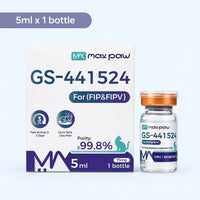
GS-441524 Injection Protocol (Abdominal Effusion)
Targeted sub-cutaneous intervention focused on absorbing fluids in the belly space. Direct bio-absorption bypasses digestive limits for rapid support.
Important Notice on Dosing Consistency: As clinical markers improve, cats frequently experience rapid weight gain. Regular, weekly weight monitoring is required to adjust formulas accurately and minimize the risk of a resistance-driven relapse.
Routine veterinary monitoring at regular four-week intervals provides objective data regarding systemic recovery. The following parameters serve as key clinical benchmarks during the protocol:
Albumin-to-Globulin (A/G) Ratio
The definitive indicator. Baseline readings below 0.6 strongly suggest active infection. Success is marked by a steady climb above 0.7 or 0.8.
Total Protein & Globulin
Elevated levels indicate active viral inflammation. Effective treatment is demonstrated by these metrics returning into standard reference ranges.
Complete Blood Count (CBC)
Monitors for non-regenerative anemia, a common secondary effect of the mutation. Normalization tracks the recovery of bone marrow function.
5. Frequently Asked Questions
Yes. Cats are typically exposed to the ubiquitous feline coronavirus early in life within group environments. The virus can remain dormant within the gastrointestinal tract for extended periods. FIP develops exclusively when that internal viral load undergoes an individual mutation, independent of outward exposure.
The mutated form of the virus responsible for FIP resides within deep tissue structures and is not shed into the environment. However, the benign precursor virus (FCoV) is transmissible via shared facilities. Maintaining optimal hygiene and mitigating environmental stressors is recommended for multi-cat households.
Advanced stages often involve severe central nervous system impairment, characterized by ataxia, loss of motor coordination, or seizure activity. Respiratory distress or marked jaundice may also occur. While these presentations indicate significant disease progression, swift stabilization via appropriate direct antiviral protocols offers a viable pathway to recovery.
Feline Calicivirus primarily attacks the upper respiratory tract and oral mucosa, presenting clearly with painful oral ulcerations and acute salivation. FIP presents as a systemic anomaly, characterized by cyclical fevers unresponsive to traditional antibiotics, effusive fluid retention, or distinct alterations in diagnostic blood chemistry panels.
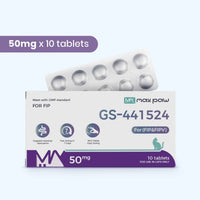
Transitioning delivery methods is a widely accepted practice. Many clinical strategies utilize initial injections to ensure immediate bioavailability and stabilization, followed by a transition to oral formulations once metabolic function, appetite, and baseline behavior show sustained improvement.
No. Targeted antiviral compounds are intended exclusively to inhibit active viral replication inside mutated cells. Prophylactic administration for healthy animals is counterindicated. Management for companion cats should instead focus on premium nutrition, minimizing environmental changes, and standard wellness tracking.
Choosing a selection results in a full page refresh.