What If My Cat Stops Eating During FIP Treatment?
Loss of appetite is one of the most common — and most stressful — challenges cat parents face during FIP treatment. If your cat suddenly eats less, skips meals, or seems uninterested in food, you are not alone — and in many cases, this can be part of the healing process.

Why Appetite May Drop During FIP Treatment
During treatment, a cat’s body is working hard to fight inflammation and repair internal damage. Appetite changes may be caused by:
-
Ongoing inflammation from FIP
-
Temporary stress from injections or medication
-
Digestive imbalance during treatment
-
Liver workload increasing as medication is metabolized
These factors can make food less appealing, even when treatment is working.
When Appetite Changes Are Still Normal
In the early stage of treatment, especially within the first 3–7 days, it’s common to see:
-
Reduced interest in food
-
Eating smaller portions
-
Skipping a meal occasionally
As long as your cat is still alert and showing gradual improvement overall, mild appetite changes do not mean treatment is failing.
Supporting Appetite Through Gut Health
A healthy appetite starts in the gut.
During FIP treatment, the digestive system can become sensitive or imbalanced. Supporting gut health can help improve nutrient absorption, digestion, and overall comfort — all of which play a role in appetite recovery.
That’s why targeted digestive support can be especially helpful during FIP treatment.
A Gentle Way to Support Appetite: FIP-Specific Probiotics
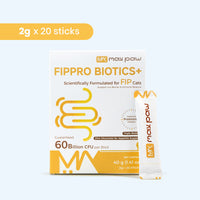
MaxPaw’s new FIPPro Biotics+ is designed specifically for cats undergoing FIP treatment.
Why This Formula Is Different
It features:
-
Zinc Gluconate, carefully included to help support appetite and normal taste perception
-
A Triple Support System:
-
Probiotics
-
Prebiotics
-
Postbiotics
-
Together, they help:
-
Restore gut balance
-
Support digestion and nutrient absorption
-
Reduce gastrointestinal discomfort
-
Gently encourage appetite recovery
This formula was developed with the unique needs of FIP cats in mind — offering support without overwhelming a sensitive system.
When to Reach Out for Help
Contact your FIP specialist immediately if you notice:
-
Complete refusal to eat for more than 24 hours
-
Persistent vomiting
-
Severe or worsening diarrhea
-
Rapid weight loss
Early support can make a meaningful difference.
You’re Doing More Than You Think
Even if your cat eats just a little today — it counts.
Recovery is not a straight line, and small improvements matter.