Is FIP Fatal? Why Early Detection & Targeted Defense Are Changing Everything for Cat Parents
Finding out your cat might have Feline Infectious Peritonitis (FIP) is every pet parent’s worst nightmare. For decades, an FIP diagnosis felt like a hopeless dead end. But thanks to groundbreaking developments in veterinary science, FIP is no longer an absolute death sentence—it is a fully treatable condition if caught early and acted upon with the right care strategy.

Understanding FIP: How a Harmless Virus Turns Lethal
To protect your cat, it helps to understand what is actually happening inside their body during an infection:
- The Common Exposure: Up to 80% of cats in multi-cat households, catteries, or shelters carry Feline Coronavirus (FCoV). In the vast majority of cases, this virus resides harmlessly in the intestinal tract, causing nothing more than mild diarrhea or no symptoms at all.
- The Internal Mutation: In approximately 5% to 10% of infected cats, something goes wrong. High-stress events (such as adoption, spay/neuter surgery, or relocation), low immune defenses, or underlying genetic susceptibility cause the benign intestinal virus to undergo a severe genetic mutation.
- The Hijacking Process: Once mutated, the virus transforms into the FIP strain. It gains the ability to invade white blood cells called macrophages—the very cells meant to defend the body. The virus hitches a ride inside these cells, traveling through the bloodstream to attack vital organs, blood vessels, and tissues, triggering severe, body-wide inflammation.

Why Traditional Veterinary Medicines Fail Against FIP
When FIP develops, standard supportive treatments simply fall short because they fail to address the core problem—viral replication:
- Antibiotics: Designed exclusively to kill bacteria, antibiotics have absolutely zero effect against viral mutations like FIP.
- Anti-inflammatory Medications & Steroids: While drugs may temporarily reduce fever or ease fluid buildup, they merely mask symptoms. Even worse, long-term steroid use can suppress the cat's immune system, making it harder for them to fight off the virus.

Demystifying GS-441524: The Breakthrough Antiviral Molecule
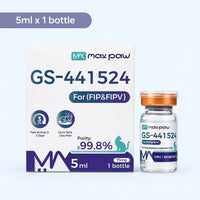
Real recovery requires stopping the virus at its root. This is where GS-441524 comes in—a targeted nucleoside analog that has revolutionized feline medicine.
In simple terms, think of the FIP virus as a rogue construction crew constantly building copies of itself inside your cat's cells. To build these copies, the virus needs specific molecular "building blocks" (nucleosides) to construct its viral RNA strand.
How GS-441524 Works in Plain English:
GS-441524 acts like a clever "decoy building block." When the virus attempts to replicate, it accidentally picks up the GS-441524 molecule instead of its natural building blocks. Once incorporated into the viral chain, GS-441524 immediately jams the replication machine. The virus can no longer complete its RNA sequence, bringing viral multiplication to a sudden halt.
By effectively cutting off the virus’s ability to multiply, your cat’s immune system finally gets the breathing room it needs to clear out infected macrophages, heal damaged tissue, and enter full, sustained remission.

Comprehensive FIP Care: A Two-Pronged Approach
Beating FIP isn't just about administering antiviral medication; it's about supporting your cat's overall health throughout their recovery journey:
1. Direct Antiviral Therapy (GS-441524)
Consistency is key. Whether using injectable formulas or oral options, maintaining exact daily dosing schedules ensures that antiviral blood levels remain high enough to suppress viral activity continuously.
2. Adjuvant & Organ Support
As the body clears out viral debris and recovers from systemic inflammation, metabolic organs like the liver work overtime. Incorporating liver support supplements and probiotics helps manage liver enzyme levels, promotes healthy digestion, and ensures optimal nutrient absorption during the recovery phase.
Hope in Action: What Recovery Looks Like
Pet parents who once felt hopeless are now witnessing remarkable turnarounds. Within just a few days of starting targeted GS-441524 care, many notice immediate signs of life returning: fevers break, appetite returns, and lethargic cats start playing again.
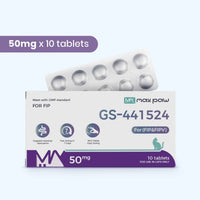
Modern care has also advanced significantly in convenience. Pet owners are no longer restricted to daily injections, which can cause skin soreness over time. Today, high-quality, easy-to-administer oral tablets allow for stress-free daily dosing in the comfort of your home.
Don't Wait: Time is Your Cat's Most Valuable Asset
When dealing with FIP, early intervention dramatically increases the chances of a complete recovery. Waiting for symptoms to worsen gives the virus time to cause irreversible organ damage or progress into complex neurological stages.
If your cat exhibits unexplained lethargy, persistent fever that resists antibiotics, weight loss, or abdominal swelling, take immediate action:
- Consult Experts Instantly: Reach out to 24-hour live support to confirm your treatment plan and get immediate guidance tailored to your cat's weight and symptoms.
- Start Targeted Therapy Fast: Choose between traditional Injections or the convenient, complete 30-Day Oral Tablet Treatment Kit to begin your cat's path back to health without delay.