FIP Treatment for Cats: Choosing Between Injection and Oral Options
FIP Treatment for Cats: Choosing Between Injection and Oral Options
FIP treatment for cats is crucial for pet owners faced with this serious condition. Feline Infectious Peritonitis (FIP) is a viral disease that affects cats and can often lead to severe health complications. Understanding the available treatment options is essential for improving the quality of life for affected felines.
The choice between injection and oral treatments for FIP can be overwhelming, as both options have their own unique benefits. It’s important to weigh these factors thoughtfully in order to provide your furry friend with the best possible care. In this comprehensive guide, we’ll explore the various factors influencing your decision, along with the benefits of each treatment option.
Understanding FIP in Cats
Feline Infectious Peritonitis is caused by a mutation of the feline coronavirus. Though the virus is common, FIP manifests in only a small number of cases, typically affecting kittens and young cats. Symptoms range from fever and lethargy to severe abdominal swelling and neurological issues. The situation can escalate quickly, making timely intervention critical.
The Importance of Early Diagnosis
The sooner FIP is diagnosed in your cat, the better the chances of a successful treatment outcome. Diagnostic tests can include blood tests, imaging, and analysis of bodily fluids. If your cat has tested positive, it’s time to explore FIP treatment options, which may include injections or oral medications.
Injection Options for FIP Treatment
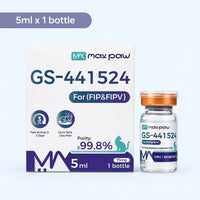
One of the primary choices for FIP treatment for cats involves injection therapies. This method can be highly effective but requires more frequent visits to the veterinarian. Below are some key features of injection treatments:
- Effectiveness: In many cases, injection treatments have shown a higher success rate in eliminating the virus.
- Speed of Action: Injections may provide quicker results, leading to faster recovery for your pet.
- Direct Delivery: Injectables allow medications to enter the bloodstream more efficiently, ensuring higher bioavailability.
- Veterinarian Supervision: Regular vet visits for injections ensure that a professional monitors your cat’s health closely during treatment.
Oral Options for FIP Treatment
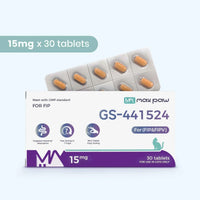
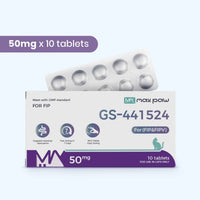
Oral treatments, which can often be taken at home, provide a great alternative for pet owners who prefer a more convenient approach. These medications can be easier to administer and may be less stressful for your cat. Here's why you might consider oral medications:
- Convenience: Oral medications can be administered at home, reducing the need for frequent vet visits.
- Lesser Stress: Cats often find oral medications less intimidating than injections, especially when accustomed from a young age.
- Greater Compliance: With the right techniques and regular schedules, owners often find it easier to give oral doses consistently.
- Potentially Lower Costs: Depending on the treatment plan, oral medications may be more financially accessible over time.
Comparing Injection and Oral Treatment for FIP
When deciding between injection and oral options, consider the following factors:
- Health Status: The overall health of your cat can influence which option might be more suitable.
- Veterinary Recommendations: Consult with your veterinarian to determine the best approach based on your cat’s unique needs.
- Owner Comfort and Ability: Choose a method you feel comfortable administering to ensure successful treatment.
Monitoring Your Cat During Treatment
No matter which option you choose for FIP treatment for cats, consistent monitoring is essential. Look out for any changes in behavior, appetite, and overall health. Regular follow-ups with your veterinarian will help gauge the effectiveness of the treatment and adjust as necessary.
Additionally, keep your home environment as stress-free as possible during this time. Cats are sensitive creatures, and providing a stable, loving environment can significantly impact their recovery.
Final Thoughts: Choosing the Best FIP Treatment
In conclusion, FIP treatment for cats is a nuanced journey requiring careful consideration of both injection and oral options. Each method has its advantages and can be effective when administered correctly and under veterinary supervision.
Your cat's health and happiness are paramount, so take the time to discuss with your veterinarian and find the best path forward. Remember, early intervention is key, and the right treatment choice can genuinely make a difference.
Do not wait until it's too late. Reach out to your veterinarian today to discuss FIP treatment options for your beloved feline companion. Be proactive, educate yourself, and give your cat the fighting chance they deserve!