Dry FIP Symptoms in Cats: Recognizing Neurological Signs, Seizures, and the Best FIP Treatment
Feline Infectious Peritonitis (FIP) is one of the most devastating diagnoses a pet owner can face. While the effusive form (Wet FIP) is easily recognized by rapid fluid accumulation in the abdomen, the non-effusive form—known as Dry FIP—is a silent, aggressive variant that creeps up on a cat's internal organs. Because it lacks obvious fluid buildup, identifying dry FIP symptoms in cats early is notoriously difficult. If left undetected, this fatal mutation of the feline coronavirus inevitably invades the central nervous system, leading to severe feline infectious peritonitis neurological signs like cat seizures and loss of motor control.
If your cat is experiencing unexplained weight loss, chronic fluctuating fever, or uncoordinated movement, you cannot afford to wait. Understanding how this disease operates and intervening with the best FIP treatment is the only way to save your feline companion.

How Dry FIP Attacks a Cat's Body
To successfully combat this disease, it is vital to understand the pathology of feline infectious peritonitis dry form. When the feline enteric coronavirus (FeCV) mutates into the deadly FIP virus (FIPV), it infects the cat's macrophages (white blood cells).
Instead of causing blood vessels to leak massive amounts of fluid as seen in Wet FIP, the cat’s intense, aberrant immune response creates chronic inflammatory cellular clusters called granulomas. These granulomatous lesions anchor themselves tightly to the tissues surrounding blood vessels, burying deep into critical solid organs such as the kidneys, liver, eyes, and brain. Consequently, dry form FIP symptoms develop at a much slower, insidious pace, gradually destroying vital organ functions over weeks or months before severe clinical signs manifest.
Key Indicators of Dry FIP: Identifying Symptoms & Neurological Signs
Since there is no obvious abdominal ascites to trigger an immediate veterinary visit, cat parents must monitor their pets vigilantly. The virus frequently targets specific organ systems, producing distinct clinical warning signs:
- Severe FIP Neurological Symptoms: This is the most frightening and definitive hallmark of advanced feline infectious peritonitis dry form. When inflammatory granulomas settle in the brain or spinal cord, they disrupt neural pathways. Owners will notice a severe lack of motor coordination known as ataxia in cats, which causes a clumsy, drunken gait. As the neurological damage progresses, it leads to partial paralysis, head tilts, nystagmus (involuntary eye movement), and sudden, terrifying cat seizures.
- Ocular Changes and Uveitis: The eyes are literally a window into an FIP diagnosis. The virus regularly causes ocular FIP, characterized by uveitis in cats (inflammation of the eye's middle layer). Watch for cloudiness in the cornea, sudden color changes in the iris, hyphema (blood in the eye), or a cat that suddenly seems to bump into furniture due to rapid vision loss.
- Kidney and Liver Compromise: When granulomas destroy renal and hepatic tissues, cats enter a state of chronic wasting. If the liver is failing, you will observe clinical jaundice in cats, which manifests as a distinct yellowing of the cat's gums, skin, and the whites of their eyes. Kidney involvement often leads to increased thirst and frequent urination.
- Chronic, Vague Decline: Long before dramatic neurological signs of FIP appear, affected felines exhibit subtle red flags. This includes long-term depression, complete loss of appetite (anorexia), unexplained weight loss where the spine feels prominent, and a chronic fluctuating fever that spikes and drops unpredictably, completely unresponsive to standard antibiotics.

The Complex Challenge of Dry FIP Diagnosis
Confirming a diagnosis of non-effusive FIP is notoriously complex. Unlike Wet FIP, where a veterinarian can easily draw abdominal fluid for a definitive FIP PCR test, Dry FIP leaves no easily accessible fluid samples. Instead, veterinarians must rely on a presumptive diagnosis, meticulously piecing clinical clues together like a puzzle.
To establish a reliable dry FIP diagnosis, clinicians look for the intersection of clinical signs—such as ataxia in cats, uveitis in cats, or cat seizures—and distinct bloodwork anomalies. Typical laboratory findings from a complete blood count (CBC) and biochemistry profile include:
- Hyperglobulinemia: Abnormally high globulin levels driven by systemic immune inflammation.
- Low Albumin-to-Globulin (A:G) Ratio: An A:G ratio below 0.7 (or especially below 0.4) is a critical indicator of FIP.
- Elevated Feline Coronavirus Antibody Titers: High titers confirm a massive immune response to a coronavirus infection.
- Lymphopenia and Anemia: A low white blood cell count (lymphocytes) combined with non-regenerative anemia.
Because these diagnostic hurdles can delay official confirmation, experts agree that if a cat displays matching bloodwork and severe neurological signs, presumptive FIP treatment should begin immediately to prevent irreversible tissue damage.
The Best FIP Cure: Introducing MaxPaw GS-441524 Treatment
For decades, a diagnosis of non-effusive feline infectious peritonitis was an absolute death sentence. Today, veterinary medicine has revolutionized. You can beat this disease. The best FIP cure relies on powerful, targeted antiviral therapies that stop viral replication in its tracks, and MaxPaw GS-441524 stands at the absolute forefront of this medical breakthrough.
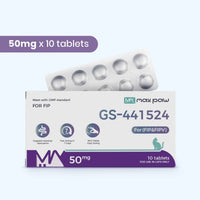
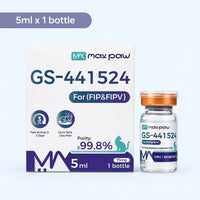
Our premium-grade, highly concentrated GS-441524 oral capsules and injections are specifically formulated to cross the blood-brain barrier. This is a critical requirement for treating Dry FIP, as standard medications cannot penetrate the central nervous system to clear the virus causing cat seizures and ataxia.
Why MaxPaw is trusted by thousands of veterinarians and cat parents worldwide as the best FIP treatment:
- Guaranteed Blood-Brain Barrier Penetration: Delivers maximum therapeutic antiviral concentration directly to the brain, halting feline infectious peritonitis neurological signs rapidly.
- Ultra-Pure Antiviral Compound: Formulated with 99.8% pure active GS-441524, maximizing safety, reducing liver stress, and ensuring a rapid clinical response—often seeing neurological improvements within 48 to 72 hours.
- Precision Dosing Options: Available in premium, easy-to-administer oral tablets and stable subcutaneous injections, customized precisely for the higher dosages required to treat advanced dry or neurological FIP cases.
Do not let diagnostic delays steal your cat’s future. Give your companion a fighting chance with MaxPaw GS-441524, the definitive, clinically verified antidote to feline infectious peritonitis.
Frequently Asked Questions About Dry FIP Symptoms & Diagnostics
1. What are the very first dry FIP symptoms in cats to look out for?
The earliest dry FIP symptoms in cats are incredibly vague and chronic. They include a persistent, fluctuating fever that doesn't respond to antibiotics, lethargy, hidden depression, and gradual, unexplained weight loss despite eating normally at first.
2. Can dry FIP cause sudden cat seizures and partial paralysis?
Yes, absolutely. When the mutated coronavirus forms granulomas inside the brain or spinal cord, it triggers severe feline infectious peritonitis neurological signs. This directly causes sudden cat seizures, muscle tremors, head tilts, and partial paralysis of the hind legs.
3. What does ataxia in cats with dry FIP look like?
Ataxia in cats caused by dry FIP manifests as a severe loss of muscle and motor coordination. The cat will walk with a wobbly, clumsy gait that closely mimics being drunk. They may stagger, lean against walls, sway their hindquarters side-to-side, or repeatedly fall over when trying to jump.
4. How do veterinarians formulate a reliable dry FIP diagnosis without fluid?
A dry FIP diagnosis relies on a presumptive evaluation. Vets combine physical symptoms like uveitis in cats or cat seizures with specific bloodwork markers: hyperglobulinemia (high globulins), a low albumin-to-globulin ratio (A:G ratio < 0.7), high FCoV antibody titers, and lymphopenia.
5. Is there a definitive FIP PCR test available for the dry form?
While an FIP PCR test can confirm the virus, it requires a tissue biopsy of the granulomas in dry cases, which is highly invasive. Unlike Wet FIP, where fluid is easily drawn, dry form testing is much harder, which is why veterinarians start antiviral treatment based on presumptive bloodwork.
6. Why is uveitis in cats an important sign of ocular FIP?
Uveitis in cats indicates that the dry FIP virus has broken through the blood-ocular barrier, causing severe inflammation inside the eye. It causes corneal cloudiness, bleeding inside the eye chamber, and rapid blindness, making it a critical diagnostic clue for non-effusive FIP.
7. What is the best FIP treatment dosage for neurological or dry FIP cases?
Neurological and dry FIP cases require a significantly higher dosage of GS-441524 treatment compared to Wet FIP. This is because the drug must aggressively penetrate the blood-brain barrier. MaxPaw provides specialized high-concentration options to deliver the precise, boosted milligrams needed to eliminate the virus from the central nervous system.
8. Can a cat fully recover from advanced dry FIP symptoms with cat seizures?
Yes. With the introduction of pure, high-concentration therapies like MaxPaw GS-441524, even cats suffering from advanced neurological signs of FIP and severe cat seizures can achieve a complete, vibrant recovery. Early intervention with a formula capable of passing the blood-brain barrier is paramount.