Don't Wait: Critical Early Symptoms of FIP in Cats
Feline Infectious Peritonitis (FIP) in Cats: 12 Early Warning Symptoms Every Owner Must Know
Quick Answer: The earliest signs of Feline Infectious Peritonitis (FIP) include a stubborn fever above 39.5°C (103.1°F) that refuses to break with standard antibiotics, sudden lethargy, unexplained weight loss, and a drop in appetite. As the disease progresses, it typically branches into one of four distinct clinical forms: Wet FIP (fluid accumulation in the abdomen or chest), Dry FIP (inflammatory nodules on internal organs), Neurological FIP (seizures, unsteadiness, or behavioral changes), or Ocular FIP (eye cloudiness and inflammation).
For years, receiving a Feline Infectious Peritonitis (FIP) diagnosis felt like an absolute death sentence for cat parents. The traditional clinical process often trapped families in endless, exhausting, and expensive diagnostic loops while their beloved companions grew progressively weaker.
At MaxPaw, we have turned this outdated approach on its head. Backed by a global community of over 17,000 recovered cats, we have proven that FIP is no longer a hopeless dead end—it is an entirely treatable condition if caught early. By recognizing the critical warning signs and moving directly to an early, targeted diagnostic trial, you can bypass devastating waiting periods and give your cat the immediate care they need to survive.
What Is Feline Infectious Peritonitis (FIP)?
FIP is caused by an internal mutation of the Feline Coronavirus (FCoV)—a very common feline virus that is completely unrelated to human COVID-19. While the vast majority of cats exposed to FCoV only experience mild, temporary digestive issues like soft stool, a small percentage undergo a severe mutation. When this happens, the virus hitches a ride on the cat's own immune cells, triggering a massive, systemic inflammatory response known as FIP.
This critical transformation most frequently strikes kittens under two years old whose immune systems are still developing, senior cats, or felines navigating stressful life transitions. Because time is your cat's most precious asset, waiting weeks for definitive lab confirmation can often prove fatal.
The 12 Earliest Symptoms of FIP
Clinical data from thousands of successful recovery journeys shows that cats typically show a combination of whole-body and form-specific warning indicators. If your companion displays three or more of the following symptoms at the same time, please consult our 24/7 care team and use our interactive MaxPaw GS Dosage Calculator to start mapping out a treatment plan immediately.
Systemic Early Warnings (All Forms)
- Stubborn, Fluctuating Fever: A persistent fever tracking above 39.5°C (103.1°F) that completely resists traditional antibiotic therapy.
- Rapid Weight Loss & Muscle Wasting: Noticeable weight loss, particularly visible along the spine and hindquarters, even if the cat still seems to be eating.
- Sudden Drop in Appetite: A profound disinterest in their favorite wet foods, treats, or dry kibble.
- Severe Lethargy: Exceptional drowsiness, a complete reluctance to play, or a sudden inability to jump onto familiar surfaces.
- Unkempt Coat: A rough, dull, or greasy-looking coat, indicating the cat has stopped their normal self-grooming.
- Jaundice or Pale Gums: Pale or distinctly yellowing gums, eyes, and inner ears, signaling severe anemia or liver stress.
- Social Withdrawal: Hiding in dark, unusual locations and avoiding family interaction.
Understanding the 4 Distinct Forms of FIP
Depending on how the mutated virus interacts with your cat's vascular and immune systems, FIP typically manifests in one of four ways. Identifying these forms correctly is essential, as it determines the target dosage required for a successful recovery protocol.
| FIP Classification | Primary Clinical Sign | Underlying Pathology | Progression Rate |
|---|---|---|---|
| Wet (Effusive) | Distended abdomen, labored breathing | Vascular leakage causing high-protein fluid accumulation | Acute (Days to weeks) |
| Dry (Non-Effusive) | Chronic weight loss, organ enlargement | Granulomas (inflammatory nodules) forming on key internal organs | Subacute (Weeks to months) |
| Ocular | Cloudy eyes, loss of vision, iris discoloration | Severe, active inflammation localized within the ocular structures | Acute to Subacute |
| Neurological | Wobbly gait, tremors, sudden seizures | The virus successfully breaching the blood-brain barrier | Rapid and Severe |
Wet FIP (Effusive Form)
This form is characterized by rapid, dramatic fluid buildup within the abdominal or chest cavities. Affected cats often develop a distinctive "potbellied" appearance while the rest of their body undergoes significant muscle wasting. If fluid accumulates in the chest, it results in rapid, open-mouth breathing or distinct panting. At-home monitoring requires strict weekly tracking of both weight and waist expansion.
Dry FIP (Non-Effusive Form)
Dry FIP develops more insidiously, avoiding fluid accumulation entirely. Instead, the mutated virus causes inflammatory tissue nodules (granulomas) to form across vital organs like the liver, kidneys, and lymph nodes. This results in a slow, progressive decline in overall energy, hidden internal inflammation, and a continuous drop in weight.
Ocular FIP
Ocular FIP develops when the virus triggers localized inflammation inside the eyes (uveitis). Owners typically notice sudden cloudiness, an asymmetrical change in pupil sizes (anisocoria), or blood pooling within the eye. Catching these changes early prevents permanent vision loss and alerts you that an elevated treatment dose is required.
Neurological FIP
The most advanced and aggressive form occurs when the virus crosses into the central nervous system. This causes coordination deficits (ataxia), persistent head tilts, tremors, disorientation, or sudden, distressing seizures. Because crossing the blood-brain barrier requires maximum drug absorption, neurological cases demand a highly concentrated dosage.
The MaxPaw Cure Advantage: 98%+ Lab-Tested Purity
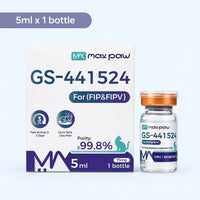
Unlike standard marketplace options or unregulated grey-market social media networks, MaxPaw guarantees an industry-leading 98%+ concentration purity across our entire lineup of premium GS-441524 therapies. We eliminate expensive clinic markups to bring direct factory solutions right to your door.
Taking Immediate Action: The 84-Day Marathon
Modern veterinary medicine has validated that a strict, weight-adjusted 84-day antiviral protocol is the gold standard for achieving permanent FIP remission. Because cats frequently regain their weight and energy within the first 7 to 14 days of starting therapy, regular dosage adjustments are absolutely vital to avoid the risks of underdosing.
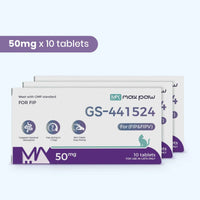
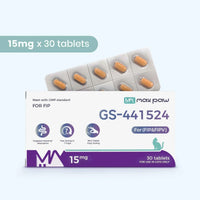
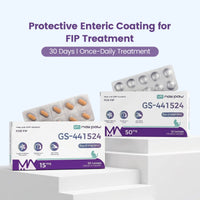
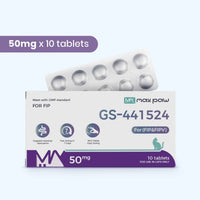
MaxPaw provides complete flexibility during this process. For the critical initial stages, our Premium 50mg High-Dose GS Injections ensure rapid absorption and fast stabilization. Once your cat's temperature and appetite return to normal, you can seamlessly transition to our convenient oral options, including our specialized, kitten-friendly 15mg Mini-Tablets designed for stress-free home dosing.
Our commitment doesn't end on day 84. MaxPaw offers full support through the entire active treatment phase and the subsequent 60-day post-treatment observation period, all backed by our unmatched Free Relapse Guarantee.
Frequently Asked Questions
Are you navigating an urgent FIP scare?
Don't face the chaos alone. Our specialized support professionals are online 24/7 to guide you through accurate symptom tracking, weight analysis, and precise dosing plans completely free of hidden service fees.
Join Our Rescuer & Vet Network for an Exclusive 20% Off Sitewide →