Thinking About GS-441524 Oral Liquid for FIP? Read This First
Why GS-441524 Oral Suspensions Are Not Recommended for FIP Treatment (And What Works Better)

Feline Infectious Peritonitis (FIP) was once considered a fatal diagnosis, but GS-441524 (commonly known as "441") has revolutionized veterinary medicine, giving thousands of cats a second chance at life. However, many pet parents naturally fall into a common trap—assuming liquid medicine is easier to administer and gentler on their cat than pills or injections.
Exploiting this misconception, some sellers market GS-441524 oral liquid as a "convenient and budget-friendly" option. But from both a pharmacological and clinical standpoint, oral liquid is actually the least safe and least effective choice. It introduces severe safety hazards, poor absorption, and unpredictable dosage loss. Below is a detailed breakdown of why oral liquids fall short—and why the gold-standard combination of Injections + Enteric-Coated Pills gives your cat the highest chance of full recovery.
1. Poor Palatability & Serious Safety Risks
Extreme Acidity and Bitterness Cause Severe Distress
GS-441524 in its raw form is intensely bitter. To keep it dissolved in liquid form, manufacturers must lower the solution to an extremely acidic pH (pH 1.5–2.0, equivalent to strong acid). Force-feeding this liquid burns the cat's mouth and esophagus, triggering intense resistance, heavy foaming at the mouth, profuse drooling, and immediate vomiting. This causes massive stress to an already frail, sick cat.
The Fatal Threat of Aspiration Pneumonia
When a cat violently struggles and foams at the mouth, liquid can easily enter the trachea and lungs. Inhaling a highly acidic liquid causes severe chemical lung injury, acute pulmonary edema, and secondary bacterial infections within hours. This condition—aspiration pneumonia—develops rapidly and has a tragic mortality rate. Many cats do not die from FIP itself, but from lung failure caused by forced liquid feeding.

Unpredictable Dosing & Viral Resistance Risks
Because cats spit out and drool away a large portion of the liquid, it is impossible to know how much active medication actually enters their bloodstream. Inconsistent or insufficient dosing fails to stop the feline coronavirus (FCoV/FIPV) from replicating. Even worse, under-dosing encourages the virus to mutate and develop drug resistance, rendering future treatments ineffective.
2. Low Bioavailability & Poor Intestinal Absorption

Poor Transmucosal Absorption & Liver First-Pass Metabolism
GS-441524 is a highly polar molecule, making it naturally difficult to cross the intestinal mucosal barrier. When ingested as an unfortified liquid, much of the drug passes through the portal system and undergoes heavy first-pass hepatic metabolism, breaking down before it ever reaches systemic circulation.
Impaired Gut Function in FIP Cats
Cats suffering from FIP experience systemic inflammation, intestinal wall swelling, microbial imbalance, and often abdominal fluid pressure (ascites). Under these compromised conditions, gut absorption drops drastically, making it nearly impossible for oral liquid to reach therapeutic antiviral concentrations in the blood.
3. Chemical Instability & Toxic Additive Hazards
Rapid Degradation in Liquid Form
GS-441524 is significantly less stable in aqueous liquid solutions than in solid pill or sterile injectable forms. Liquid solutions degrade rapidly when exposed to room temperatures, ambient light, or oxygen, leading to a quick decline in drug potency before you even finish the bottle.
Dangerous Flavoring Agents & Unregulated Ingredients
Most GS-441524 oral liquids on the market are unregulated compounded products. To mask the intense bitterness, some suppliers add artificial sweeteners, flavorings, or preservatives. Worse yet, some use toxic solvents such as high concentrations of propylene glycol. Propylene glycol damages feline red blood cells, causing Heinz body anemia and metabolic acidosis—a devastating blow to a cat whose organs are already weakened by FIP.
4. Comprehensive Comparison of GS-441524 Formulations
| Feature | Subcutaneous Injection | Enteric-Coated Pills | Oral Liquid Solution |
|---|---|---|---|
| Bioavailability | 100% (Fastest onset) | High (Targeted intestinal absorption) | Very Low (High liver breakdown) |
| Safety & Stress Level | Minor temporary skin sting | Safe, odorless, zero choking risk | High Risk (Severe stress & pneumonia hazard) |
| Dosing Accuracy | 100% Precise | Precise & Reliable | Unpredictable (Lost to drooling/spitting) |
| Chemical Stability | High | Excellent | Very Poor (Rapid degradation) |
| Clinical Recommendation | First Choice for Acute / Severe Phase | First Choice for Recovery Phase | Not Recommended |
5. The Gold Standard Protocol: Why "Injections + Pills" Work Best
Phase 1: Start with Injections for Acute & Severe Stages
When a cat is first diagnosed—especially if it has fever, anorexia, severe fluid accumulation (ascites), or neurological/ocular symptoms—its gastrointestinal tract cannot absorb medication properly. Subcutaneous injections bypass the digestive system entirely, delivering 100% of the active compound into the blood instantly to halt viral replication and save lives.
Phase 2: Transition to Enteric-Coated Pills for Recovery
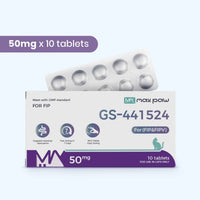
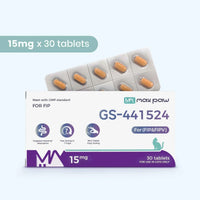
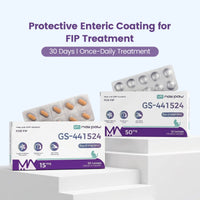
Once your cat's temperature stabilizes, appetite returns, and energy recovers, you can smoothly switch to enteric-coated pills. These specialized pills protect the active compound from stomach acid and dissolve directly in the small intestine, providing complete absorption with zero bitterness, zero foaming, and zero choking hazard.
The Hidden Cost Trap of Oral Liquids
While liquid solutions seem "cheaper" upfront, they actually end up costing more:
- Higher Daily Cost for Effective Dosing: Because liquid bioavailability is extremely low and much of it is spit out, you must administer much higher fluid volumes to achieve an effective blood concentration. The actual daily therapeutic cost ends up higher than using proper pills.
- The High Financial & Emotional Cost of Relapse: Inadequate drug absorption increases the risk of viral resistance or relapse, requiring doubled doses, longer treatment cycles, or switching to emergency salvage drugs. This inflates overall costs significantly and puts your cat's life at risk.