Is Your Cat’s Swollen Belly Wet FIP? Clinical Fluid & Breathing Symptoms
Wet FIP in Cats: How to Spot the Warning Signs of Fluid Buildup
Deep-Dive Analysis into Feline Infectious Peritonitis Fluid Accumulation Mechanics
A sudden, bulging "pot-belly" in a young kitten or adult cat is rarely just simple weight gain or a heavy worm burden. When abdominal distension is accompanied by lethargy and a fluctuating fever, it acts as a major red flag for Wet FIP (Effusive Feline Infectious Peritonitis). As the most aggressive, rapidly progressing form of this deadly feline coronavirus mutation, understanding its pathology and recognizing initial clinical symptoms can mean the difference between life and death for your companion.
The Pathology: Where Does the FIP Fluid Come From?
To accurately spot the disease, one must understand its internal mechanics. Wet FIP originates from a common, highly contagious gastrointestinal pathogen known as the feline enteric coronavirus (FeCV). In a few cats, this harmless virus changes into a deadly form called FIPV. Once mutated, it gains the ability to attack and multiply inside the cat’s own white blood cells.
The virus messes with the cat's immune system, causing the blood vessels to become severely inflamed and damaged. Think of it like a leaky pipe: fluid from the blood leaks out and fills up the cat's belly or chest. This is why cats with Wet FIP get a bloated stomach so quickly.
The Diagnostic Key: Albumin-to-Globulin (A:G) Ratio
During standard diagnostic blood work, veterinarians closely analyze total protein levels. A highly specific indicator of Wet FIP is a significantly low A:G ratio (typically below 0.7), driven by severe hyperglobulinemia as the cat's immune system desperately pumps out ineffective antibodies to fight the mutated virus.
3 Critical Warning Signs of Effusive FIP
Because the effusive form progresses with devastating speed, monitoring these three distinctive clinical markers is vital for an accurate, timely diagnosis.

Abdominal Ascites (The "Pot-Belly" Fluid Buildup)
As inflammatory fluid leaks and accumulates inside the peritoneal cavity, the cat's abdomen distends into a classic, symmetrical pear shape. A distinguishing clinical feature of FIP ascites is muscle wasting: while the abdomen feels tight, fluid-filled, and heavily swollen, the cat's spine and shoulder blades will feel increasingly bony and prominent to the touch due to rapid muscle wasting.

Thoracic Effusion & Labored Breathing
When the virus causes fluid to build up in the chest instead of the belly, it smothers the cat's lungs. Since the lungs can't inflate, the cat can barely breathe. You will notice them breathing very fast with their stomach, refusing to move, or even gasping for air with their mouth wide open—which is a life-threatening emergency.

Persistent Fever, Lethargy & Loss of Appetite
Long before fluid shifts become visible to the naked eye, a cat fighting FIPV will run a persistent, fluctuating fever typically hovering between 103°F and 105°F. This specific viral fever is completely unresponsive to traditional broad-spectrum antibiotics. This ongoing internal inflammation induces profound lethargy, a complete loss of appetite (anorexia), and severe dehydration.
Clinical Phenotypes: Wet vs. Dry FIP
Both wet and dry FIP start from the same virus. Whether a cat gets the wet or dry form simply depends on how their own body reacts to the infection.
| Clinical Feature | Wet (Effusive) FIP | Dry (Non-Effusive) FIP |
|---|---|---|
| Primary Pathology | Severe vasculitis & fluid leakage | Granulomatous lesions on internal organs |
| Progression Speed | Acute and aggressive (Days to Weeks) | Chronic and insidious (Weeks to Months) |
| Diagnostic Biomarkers | High-protein fluid; positive Rivalta test | High blood globulin levels; tissue biopsies |
| Common Complications | Abdominal distension, respiratory failure | Neurological seizures, uveitis (ocular cloudiness) |
Veterinary Diagnosis and Modern Anti-Viral Breakthroughs
Confirming an effusive FIP diagnosis typically involves an ultrasound-guided fluid tap (centesis) to sample the accumulated fluid. FIP fluid is highly characteristic: straw-colored or deep yellow, exceptionally viscous, with a high protein density (>3.5 g/dL) that yields a distinct clot during a positive **Rivalta Test**.
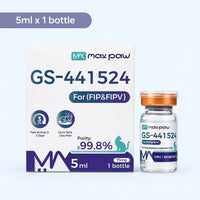
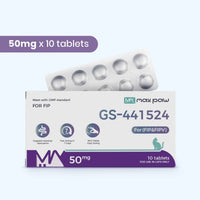
While a diagnosis of Feline Infectious Peritonitis was historically met with a zero-percent survival rate, modern veterinary medicine has entered a revolutionary era. Targeted small-molecule antiviral therapies, specifically advanced formulations of the nucleoside analog GS-441524, have completely rewritten the prognosis. When administered in precise, weight-matched doses over a structured 84-day treatment cycle, GS-441524 safely halts viral replication, clearing effusion and successfully curing over 97% of affected cats.
Act Fast to Save Your Cat